



















Herbs in the Snow: Cooking with What Survives the Cold
Bold Herbs | September 22, 2026
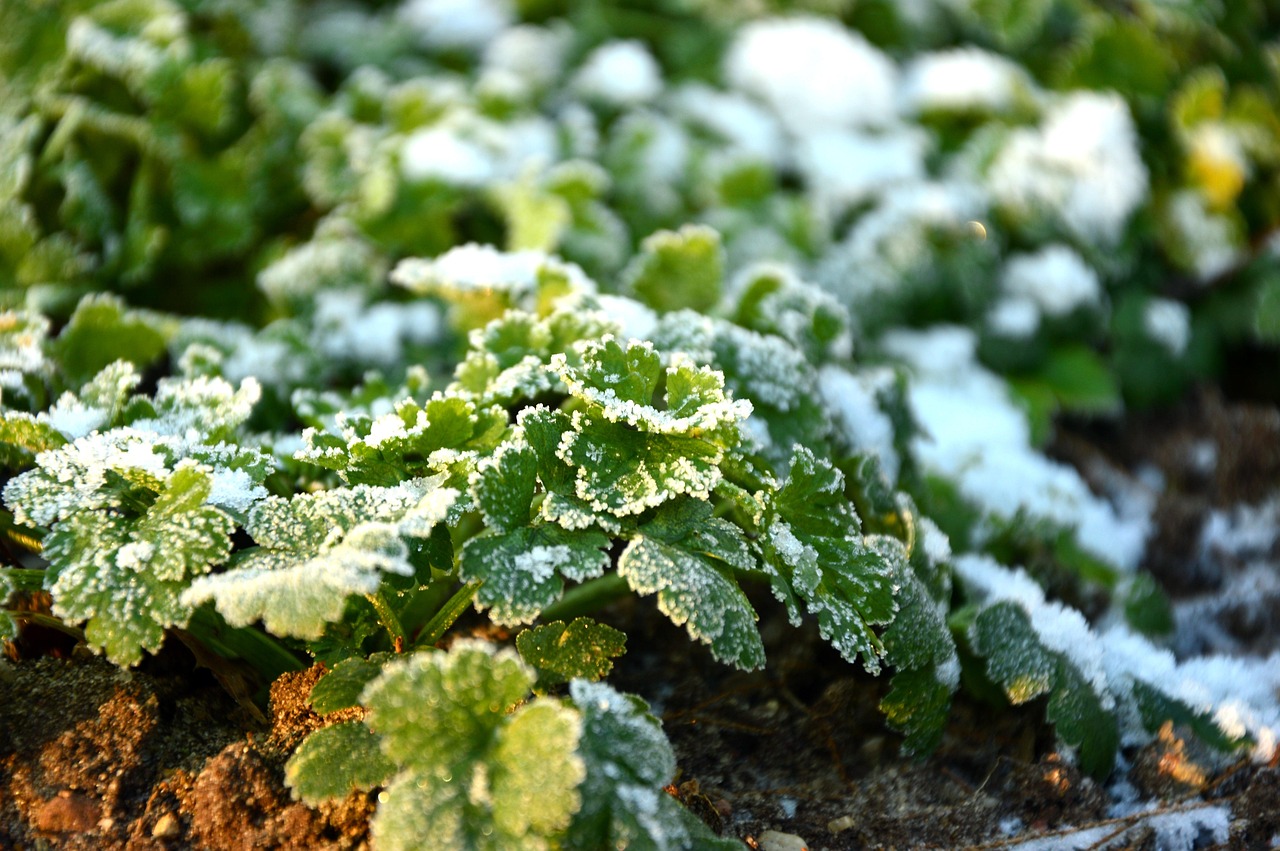
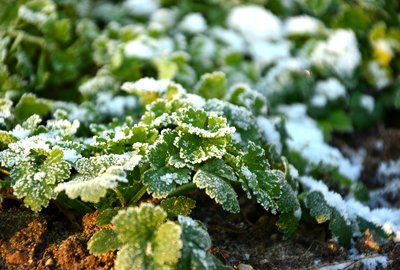
Winter herbs are the ones that do not flinch. Rosemary, thyme, sage, bay, and winter savory are all still standing when the basil has long since turned to black mush and the parsley has bolted. They are woody, resinous, and assertive, and they are exactly what a season of slow cooking needs. The mistake most cooks make is to use them timidly — a sprig here, a leaf there — when in fact they can and should be used in quantity.
Take rosemary. A whole branch, stripped and chopped, is not too much for a pot of white beans. It is the difference between a pot of beans and a pot of beans worth eating. The same branch, laid under a chicken while it roasts, perfumes the whole bird. Thyme is more forgiving and more versatile; it belongs in almost everything, from a braise of short ribs to a simple pan of mushrooms. Sage is the richest of the group, and it is best with fat — brown butter, pork, squash, potatoes. Bay is the quiet one, but two or three leaves in a pot of broth or a braise will do more than you expect.
Techniques for Getting the Most Out of Them
Woody herbs release their flavor differently than tender ones. They benefit from heat and time, and from fat. Infuse them in oil or butter before you add anything else: warm a few tablespoons of olive oil in a pan, add a sprig of rosemary and a few sage leaves, and let them sizzle gently for a minute before you add your onions. The oil will take on the flavor and carry it through the whole dish. For stews and braises, tie your herbs in a bundle with kitchen twine so you can fish them out at the end. For roasting, scatter them directly on the vegetables or under the meat.
Drying these herbs is also worthwhile, though the flavor changes. Dried rosemary is sharper and more pine-like; dried thyme is earthier. Both are excellent in rubs and in long-cooked dishes. If you have a windowsill that gets any light at all, a small pot of thyme or rosemary will survive the winter indoors with minimal care, and you can snip from it as needed. It is not the same as a summer garden, but it is something.
A Winter Herb Butter to Keep on Hand
Soften a stick of butter and mash it with a tablespoon each of chopped rosemary, thyme, and sage, plus a clove of grated garlic and a good pinch of salt. Roll it in parchment and keep it in the refrigerator. Slice off a coin of it to melt over a steak, a baked potato, a piece of fish, or a bowl of polenta. It will keep for a week and freeze for months, and it is a way of keeping the garden alive in the middle of January. Bold herbs are not a summer luxury. They are a winter necessity, and they are waiting for you to use them properly.


Marrow and Mint
Tough cuts, bright herbs, and a long braise that turns a gray afternoon into something worth staying home for.