




















The Herb Vinegar Shelf: Preserving Summer's Boldness for February Cooking
Preserving | September 13, 2026
By the time February arrives, the herb garden is a memory and the grocery store bunches are pale shadows of what grew in July. This is when the vinegar shelf earns its keep. A few bottles steeped with summer herbs become the backbone of winter dressings, marinades, and finishing splashes. They take ten minutes to make and improve for months. There is no reason not to have a row of them.
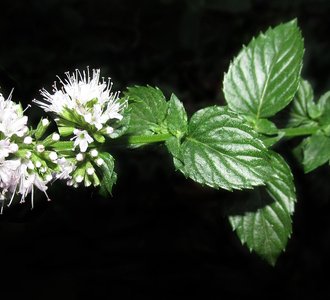
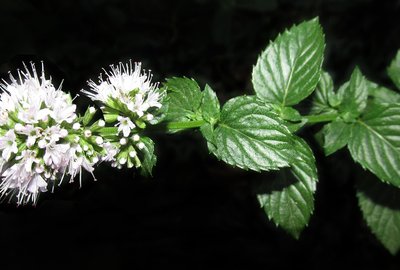
The method is almost embarrassingly simple. Good vinegar, fresh or dried herbs, time. That is it. But the variations are endless, and each bottle carries a different mood. Tarragon vinegar for potato salad and chicken. Rosemary vinegar for lamb and beans. Mint vinegar for cucumbers and grain bowls. Thyme vinegar for anything that came out of the oven. Make three or four in the fall and you will cook better all winter without thinking about it.
Making the Vinegars
Use a mild vinegar as your base. White wine vinegar or apple cider vinegar both work well; distilled white is too sharp and will bully the herbs. For each cup of vinegar, use about a quarter cup of loosely packed fresh herbs, lightly bruised with the back of a spoon to release their oils. If you are using dried herbs, cut the amount in half.
Warm the vinegar gently in a saucepan, just until it steams, then pour it over the herbs in a clean jar. Seal it and let it sit in a cool, dark place for two to four weeks. Shake it every few days. When the flavor is where you want it, strain out the solids and decant into a clean bottle. A sprig of fresh herb in the bottle is nice for looks but will eventually cloud the vinegar, so skip it if you plan to keep it more than a few months.
One caution: never use garlic in an infused oil or vinegar that will sit at room temperature. Botulism risk is real. Garlic vinegar should be refrigerated and used within a week. Everything else on this shelf is shelf-stable for a year or more.
Cooking with the Shelf
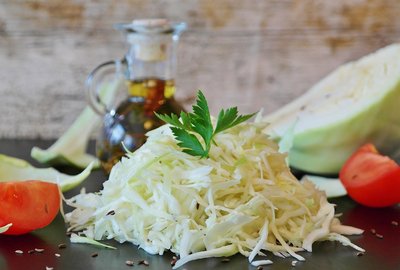
Once you have the bottles, the cooking follows. Whisk tarragon vinegar with Dijon and olive oil for a dressing that makes a plain head of lettuce worth eating in January. Splash rosemary vinegar over a pot of white beans with a glug of olive oil and a hit of smoked paprika. Use mint vinegar to pickle red onions for tacos or to finish a lentil salad with feta. Thyme vinegar stirred into a pan sauce with a knob of butter turns a weeknight pork chop into something that tastes like it took longer than it did.
The point is not to be precious about any of it. The point is to reach for the shelf instead of the lemon, to remember that summer was real, and to keep cooking with boldness even when the ground is frozen and the light is thin. A bottle of herb vinegar is a small, stubborn act of optimism. Make several.


Marrow and Mint

Lean, iron-rich, and quick to cook, beef heart is the most underrated cut at the butcher counter.